9752
Flights in the air right now

Wings Restored: The HIMS Program and the Road Back to the Skies
Featured in the 99's Magazine: Click to View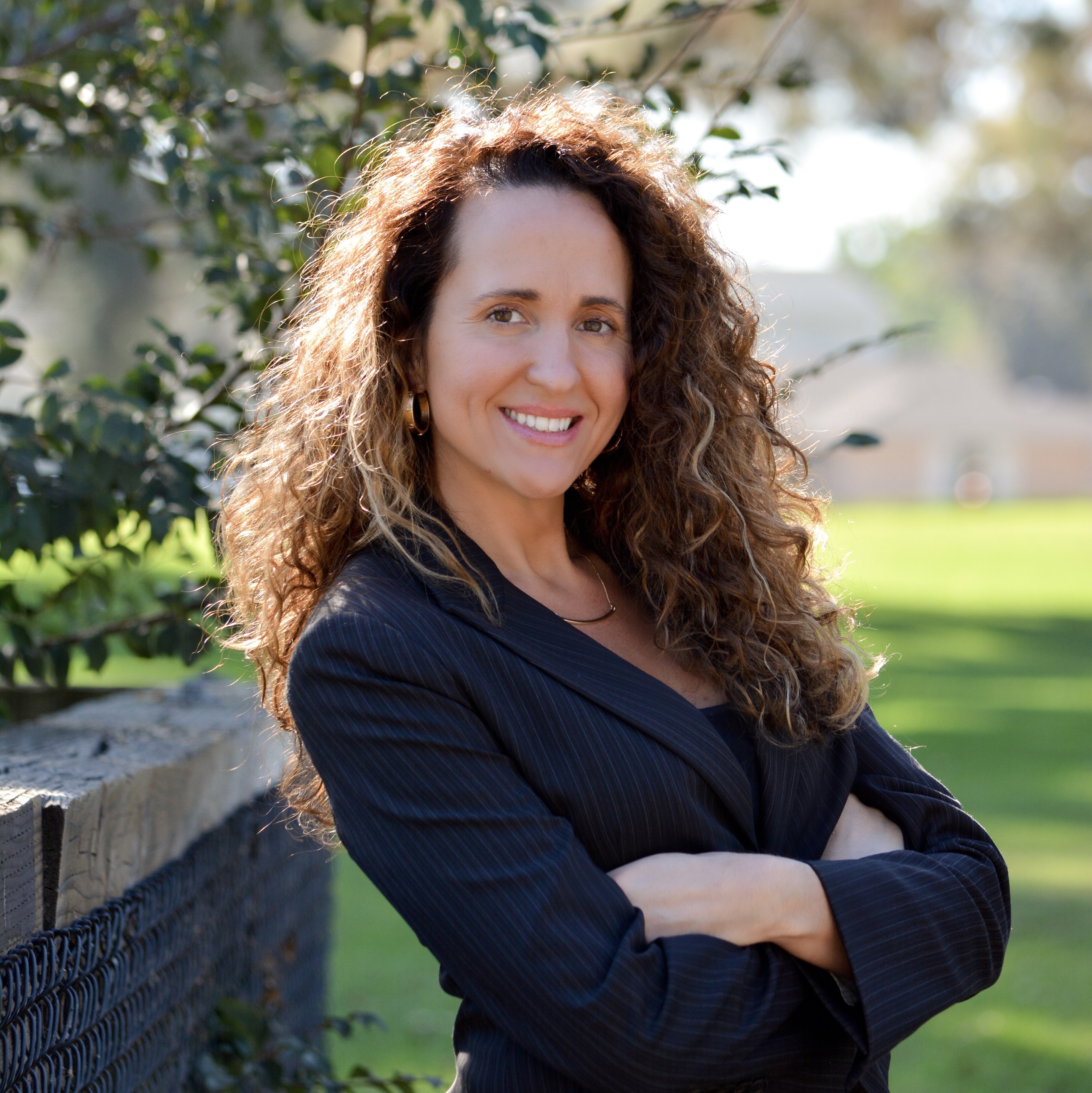

I spent a few days in Denver, Colorado, surrounded by recovering addicts.
I prayed with them. I held their hands. I listened as they shared stories of brokenness and redemption, and I learned how to help guide them back to their wings.
For most, the Human Intervention Motivational Study (HIMS) program didn’t just save their careers – it saved their lives.
It offered hope, forgiveness, and a road back home.
Not what you’d expect to hear from an aviation medical examiner attending a conference, right? Yeah, me neither.
I started writing this on my flight home, still raw from the experience. I haven’t been moved like that in a long time.
Memories of my father came rushing back, filling my heart. I remembered the serenity prayer, engraved on a Bible that sat open in our dining room.
I thought about the day my mom caught him in relapse and, later, how a medical injury led to opioid addiction.
Addiction may have clouded seasons of his life, but to me, he was always strength, stability, and love.
This wasn’t just another medical meeting; this was a gathering of unions, pilots, the FAA – everyone with skin in the fight to save lives in aviation.
Addiction is one of the heaviest topics our industry faces, and it demands attention.
The event opened with a speaker who is now a captain for a major airline. He recounted the day he hit rock bottom while sitting in a crack house.
Yes, a crack house.
Others spoke of jail time, divorce, and losing everything that mattered.
And yet, here they were – living proof that recovery is possible and that broken wings can fly again.
That’s where HIMS comes in.
HIMS began decades ago as an experimental program and has since grown into a nationwide safety net for pilots.
It’s a unique partnership between the FAA, airline unions, pilot peers, and aviation medical examiners like me.
Together, we identify, treat, and monitor pilots struggling with substance use disorders.
The goal isn’t punishment. It’s restoration.
The program is built on the recognition that addiction is a disease – treatable, but relentless.
Left unaddressed, it destroys families, careers, and lives.
But with structure, accountability, and support, recovery is possible.
HIMS provides that framework: formal treatment, long-term monitoring, peer mentorship, and medical oversight.
What makes it powerful is that pilots don’t walk this road alone.
They have sponsors – other pilots who once sat where they sit now.
They have airline peers who call, check in, and guide them through every stage.
And they have AMEs who are trained not just to measure fitness for flight, but to help rebuild lives.
One of the highlights of this conference was being reunited with my friend and colleague, Dr. Teri Finklea.
Teri is a senior AME in Jacksonville, Florida, and we first met a year ago during AME basic training.
This time, we were together again to complete the next step in our training – certification as HIMS AMEs.
Over the past year, we’ve shared not only professional milestones, but also personal conversations about life, family, and the meaning of this work.
For Teri, the HIMS program isn’t just professional – it’s deeply personal.
As the wife of a major airline pilot who successfully completed the program, she’s seen its power firsthand.
“In medical school, we briefly studied how addiction affects the brain, but we never learned the personal side – how it devastates families and careers,” she told me.
Through HIMS, she came to understand the crucial difference between abstinence and sobriety.
Abstinence is simply stopping the use of alcohol or drugs, which is nearly impossible to sustain without help.
Sobriety, however, is a complete life change supported by structure, accountability, and community.
For Teri, that is the power of HIMS: It doesn’t just return pilots to the cockpit, it restores relationships, repairs trust, and provides a support network unlike any other.
“There will never be a larger, more loyal group of people that are genuinely invested in its members, wanting them to succeed in their sobriety and change every aspect of their life,” she emphasized.
“No one can walk that road alone – and that’s exactly why I wanted to become a HIMS AME, to help guide airmen and their families along a proven path to recovery.”
The numbers speak for themselves.
More than 85% of pilots who enter HIMS successfully return to the cockpit, often with a stronger sense of purpose than before.
Many will tell you the program didn’t just save their wings – it saved their marriages, their health, and their lives.
What I witnessed in Denver was humbling.
Pilots who once sat in jail cells, recovery centers, or crack houses now stand before their peers, not in shame, but in gratitude.
They tell their stories, so others know it’s possible.
They’re proof that aviation doesn’t turn its back on its own.
And as I left that conference, I carried this truth with me:
Even broken wings, with time and care, can return to stronger flight.
Our mission is to support pilots and aviation professionals in maintaining their health and well-being.



Sign up for industry alerts, deals, news and insights from Aviate Medical.