9752
Flights in the air right now

Day vs. Night Flying: Aeromedical Factors Worth Rechecking as We Start a New Year
Featured in the 99's Magazine: Click to View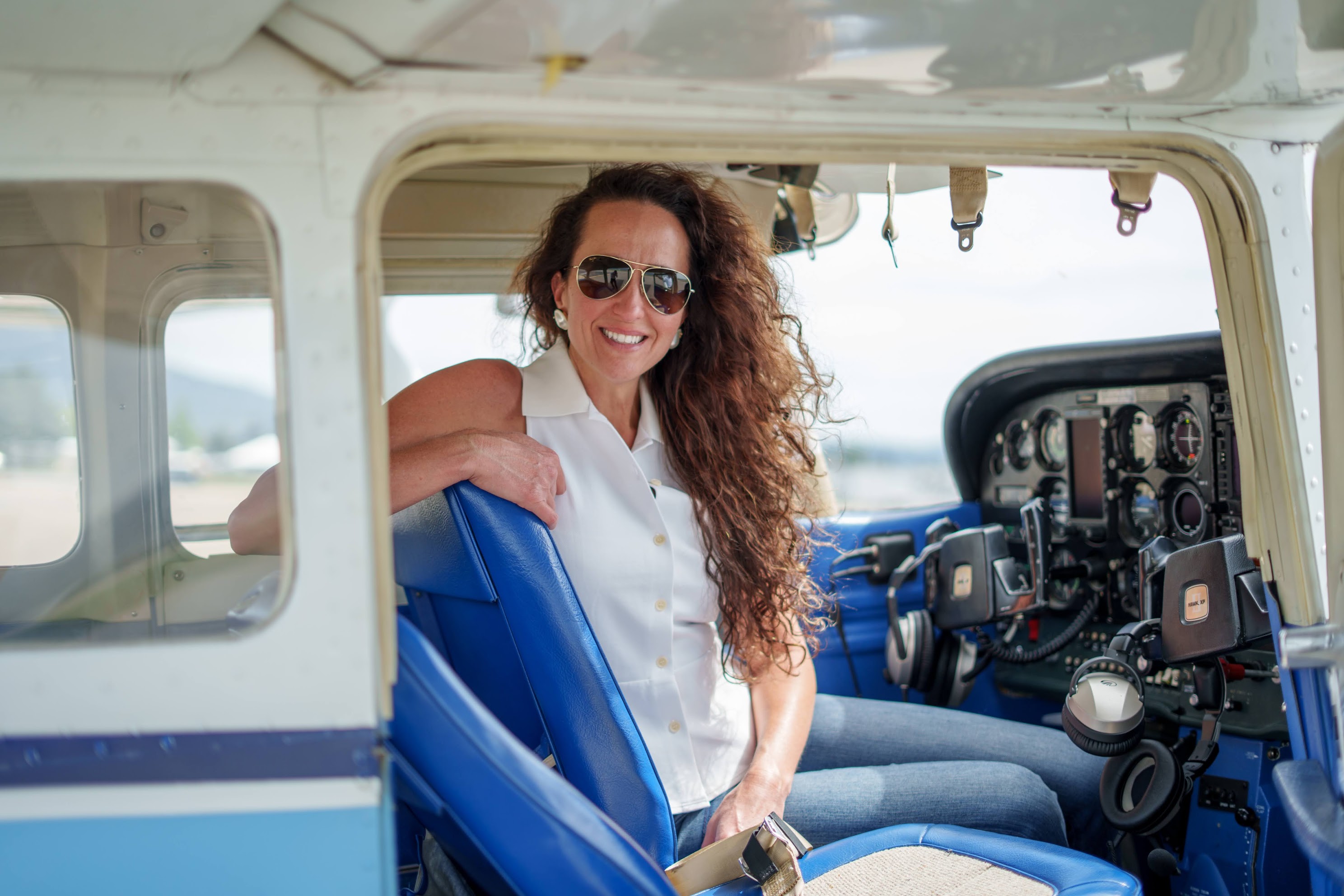
Day vs. Night Flying: Aeromedical Factors Worth Rechecking as We Start a New Year
By Dr. Rachael Ferraro, Senior AME • Aviate Medical, Coeur d’Alene, Idaho
With the New Year comes the heart of winter—short days, long nights, and a natural shift in when many of us find ourselves flying. For pilots who typically operate in daylight, this season quietly increases the amount of night time logged. It’s the perfect moment to revisit the aeromedical realities that separate daytime operations from flying after sunset.
Winter Darkness and Night Vision Physiology
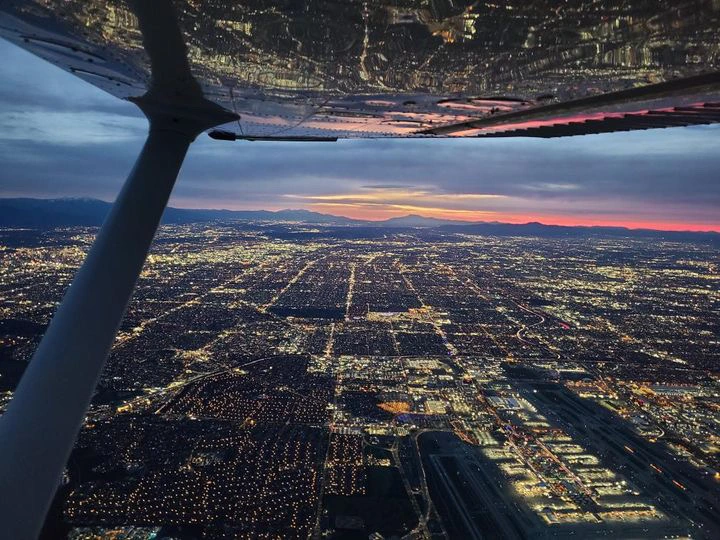
Daylight flying lets us rely on crisp central vision for reading terrain, spotting traffic, and judging distance. At night, rods take over as the primary photoreceptors, reducing detail, color recognition, and the speed at which we process visual cues. Winter intensifies this transition: stepping from bright snow glare into a dark cockpit makes night adaptation feel abrupt. Protecting night vision—dim red cockpit lighting and allowing time for dark adaptation—directly improves comfort and safety.
Altitude adds an important twist that many pilots underestimate. At cabin altitudes above 5,000 feet, night vision begins to noticeably deteriorate. Rods are extremely oxygen-sensitive, and even mild hypoxia—barely perceptible during daylight—can erode night visual acuity, depth perception, collision avoidance, and instrument interpretation. If you’re cruising above 5,000 feet at night, consider using supplemental oxygen even when not required. It’s one of the simplest ways to preserve both visual and cognitive performance.
Spatial Disorientation: A Winter Multiplier
Night flying already removes many of our visual anchors. Add winter haze, intermittent snow, fog layers, or the “black void” of sparsely lit terrain, and spatial disorientation becomes more likely and more dangerous. Even experienced pilots are vulnerable when the horizon disappears unexpectedly. A disciplined instrument scan, even on VFR nights, remains one of the strongest defenses against illusions and sensory misinterpretation.
Circadian Rhythm, Fatigue, and the Early-Winter “Sleep Switch”
January often brings disrupted sleep schedules, travel fatigue, and the body’s natural tendency to feel tired earlier in the evening. Winter causes melatonin to rise sooner, reducing alertness right when many of us are preflighting. Fatigue management, like hydration and intentional rest planning, becomes an aeromedical priority during this season.
Seasonal Illusions and Approach Hazards
Winter intensifies night illusions: black hole approaches, featureless snowfields, and deceptive ground lights can all distort your sense of glidepath and height. A stabilized approach, instrument cross-checks, and a mental briefing of night-specific hazards are powerful tools for countering these traps.
Icing: More Than an Aircraft Problem
Icing is usually discussed in terms of aircraft performance, but its aeromedical implications matter too—especially after dark. Ice accumulation increases workload, elevates stress, and compresses decision-making timelines. Night conditions make early detection harder, as subtle cues on wings or struts are easily missed. Temperature inversions, rising humidity after sunset, and cold-soaked fuel tanks raise the odds of encountering icing even when conditions initially seem benign.
For pilots, this means adopting earlier and more conservative go/no-go decisions, recognizing how stress narrows cognitive bandwidth, and avoiding the “get there-itis” mindset that winter nights can tempt.
A Smart Reset for the New Year
Night flying is peaceful, rewarding, and uniquely beautiful. As winter shifts more of our flying into darkness, refreshing our understanding of how physiology, fatigue, altitude, and environment shape nighttime performance is a smart way to start the year. With a little extra awareness—and oxygen when appropriate—we can launch into the new year safer, sharper, and better prepared for the nights ahead.
Planning to attend the 2026 Northwest Aviation Conference & Trade Show? I’ll be there Saturday, February 21st, answering aeromedical questions and supporting pilots through the medical maze-come say hello and let’s talk about how we can keep you flying!
Our mission is to support pilots and aviation professionals in maintaining their health and well-being.



Sign up for industry alerts, deals, news and insights from Aviate Medical.