9752
Flights in the air right now

Cleared for Takeoff: Thyroid Disease and the FAA Medical
Featured in the 99's Magazine: Click to View
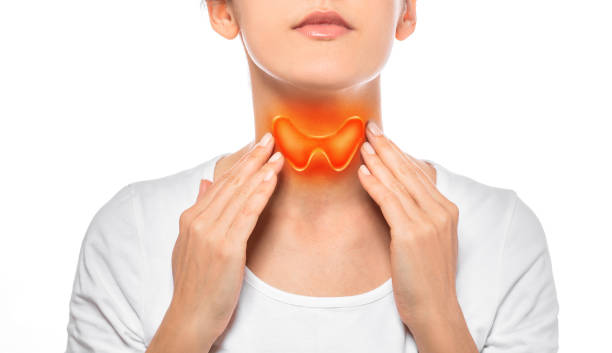
I frequently see thyroid disease in my clinic, and the majority of those cases are hypothyroidism. Most pilots are relieved to learn that a stable, well-treated thyroid condition is often compatible with flying. Still, thyroid disease is not a one-size-fits-all diagnosis from an FAA standpoint. Hypothyroidism and hyperthyroidism can follow very different certification pathways, so it is worth discussing both sides: what the disease means medically, how it is diagnosed, and what the FAA needs to see before a pilot can be cleared for flight.
The thyroid is a small gland in the neck that produces hormones that influence metabolism, energy, body temperature, heart rate, and many other body systems.
Diagnosis usually begins with blood work, especially TSH and free T4, and sometimes T3. Antibody testing may help identify autoimmune thyroid disease, such as Graves’ disease or Hashimoto’s disease. Imaging, such as ultrasound, thyroid scan, or radioactive iodine uptake testing, may be used when the cause needs clarification.
Hyperthyroidism means the thyroid is overactive and producing too much thyroid hormone. Pilots may notice weight loss despite increased appetite, a rapid or irregular heartbeat, tremor, heat intolerance, sweating, nervousness, irritability, difficulty sleeping, muscle weakness, frequent bowel movements, or an enlarged thyroid.
Common causes include Graves’ disease, overactive thyroid nodules, thyroiditis, too much iodine, or taking too much thyroid hormone medication. Untreated hyperthyroidism matters aeromedically, since it can lead to irregular heart rhythms, blood clots, stroke, heart failure, Graves’ eye disease, bone loss, and muscle problems.
Hypothyroidism is the opposite problem: the thyroid is underactive and does not make enough hormone. Symptoms may include fatigue, weight gain, cold intolerance, joint and muscle pain, dry skin, thinning hair, slowed heart rate, depression, or menstrual changes.
Hashimoto’s disease, an autoimmune condition, is a common cause. Severe untreated hypothyroidism can affect cholesterol and, rarely, lead to myxedema coma, a life-threatening slowing of body functions.
The FAA pathway differs for hyperthyroidism and hypothyroidism. On FAA.gov, hyperthyroidism is listed in the AME Guide endocrine table as requiring pertinent medical records, a current status report with medication names, dosages and side effects, and current thyroid function tests. For an initial case, the FAA disposition is “Initial Special Issuance — Requires FAA Decision.”
After the FAA grants an Authorization for Special Issuance, future medical exams may be handled through AME Assisted Special Issuance, or AASI, if the pilot meets the authorization requirements.
The AME must defer if hypothyroidism develops, if thyroid studies suggest inadequate treatment, or if an associated illness such as dysrhythmia develops.
Hypothyroidism is often more straightforward. Primary hypothyroidism may qualify under CACI, which stands for Conditions AMEs Can Issue. This pathway allows AMEs to issue a medical certificate when the applicant meets the parameters of the specific CACI worksheet and is otherwise qualified. If the criteria are not met, the AME must defer the exam and send supporting documents to the FAA.
For hypothyroidism CACI, the FAA worksheet requires a current, detailed clinical progress note from the treating physician or specialist from a visit no more than 90 days before the AME exam. The treating physician must find the condition stable. The pilot must have none of the listed concerning symptoms: fatigue, mental status impairment, or symptoms related to the pulmonary, cardiac, or visual systems.
Acceptable medications include levothyroxine, porcine thyroid, liothyronine, or liotrix. TSH must be less than 10 within the last year; a TSH of 10 or higher must be deferred.
For pilots, preparation makes all the difference. Bring recent thyroid labs, a current treating physician note, medication names and doses, side-effect information, and any related cardiac or eye evaluations if they were part of the condition.
Stable hypothyroidism may be certifiable at the AME visit under CACI. Hyperthyroidism usually requires FAA review first, but once controlled and authorized, future renewals may become much smoother.
The goal is not to hide thyroid disease; the goal is to show that it is diagnosed, treated, stable, and safe for flight.
Our mission is to support pilots and aviation professionals in maintaining their health and well-being.



Sign up for industry alerts, deals, news and insights from Aviate Medical.